Groundwater in women’s hands – a photostory of women, water and farming in a changing climate
About the Photostory
 I am Manita Raut, a John Allwright Fellow supported by ACIAR and a PhD candidate at the Crawford School of Public Policy at the Australian National University. My research focuses on how smallholder farmers in Nepal’s eastern Tarai access and use groundwater, and how gender, caste, and land shape everyday irrigation practices and agricultural livelihoods.
Photography has become part of how I do this work. It allows me to listen closely to the land, to water, and to the people whose labour contributes to food security. All photographs in this series were taken with informed consent, and I am deeply grateful to the farmers who welcomed me into their fields and shared their time and trust.
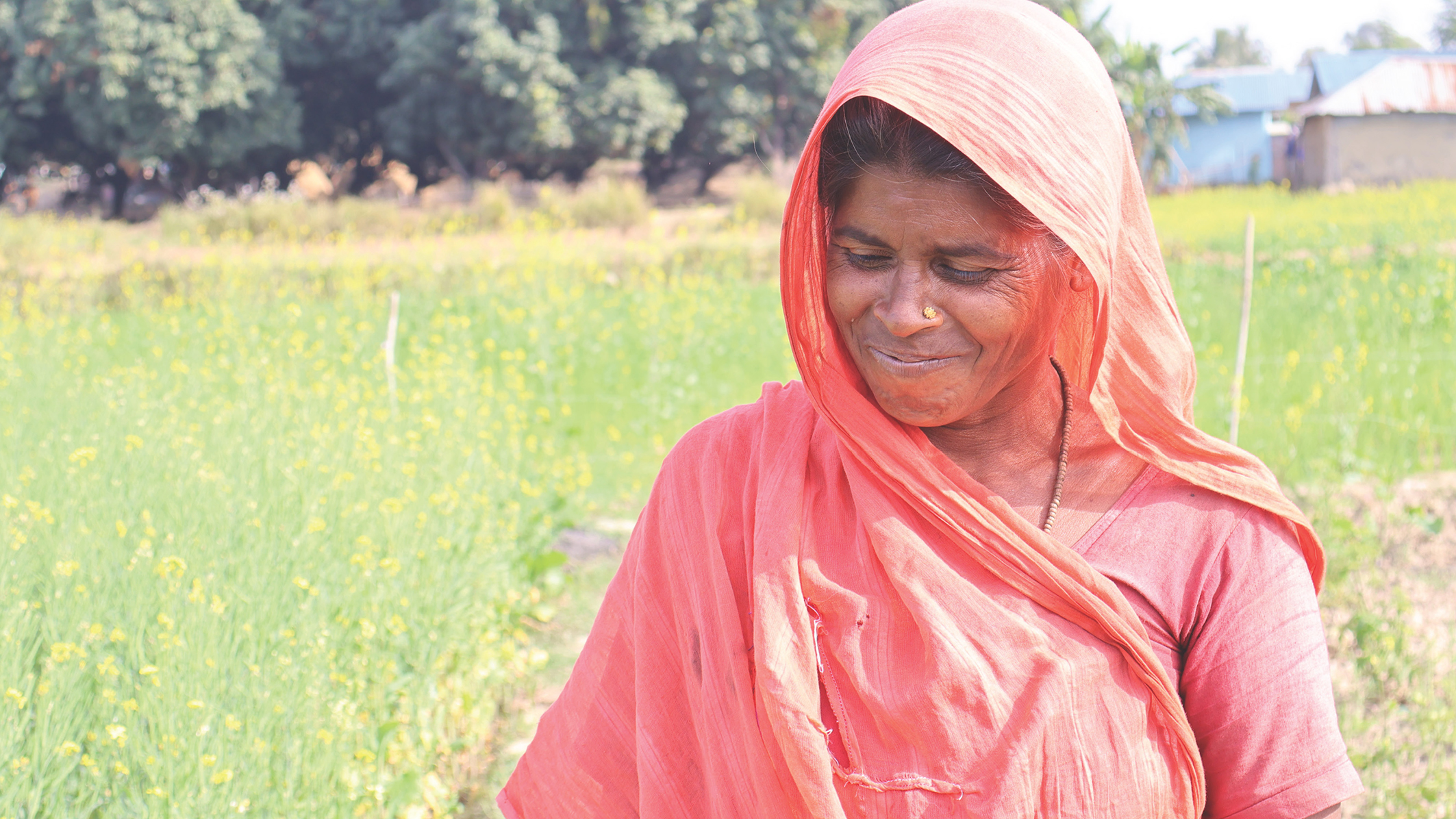
This photo story follows the journey of a woman farmer in Nepal’s flat plains as she accesses groundwater through electric pumps, technologies often viewed as men’s work. Through her everyday routines, the story shows how women anchor irrigation and food production, even when they are not always recognised as farmers in their own right.
Introduction
I first met Sah in January 2024 during my PhD fieldwork in Ward 2 of Shambhunath Municipality, in Nepal’s eastern Tarai. Sah is a single woman. More than twenty-five years ago, her husband married a second wife and left her without land, income, or support. With three young children to care for, she was forced to rebuild her life from scratch, working in other people’s fields to ensure her family survived.
The Tarai is a low-lying stretch of flat land along Nepal’s southern border with India. It is often called the country’s food bowl because much of Nepal’s rice, vegetables, and grains are grown here, and most rural households depend on farming for their daily survival. Yet the fields that afternoon told a more fragile story. The soil had already begun to crack during the dry winter months, long before the monsoon was expected to arrive.
In recent years, rainfall in the Tarai has become harder to predict. The monsoon now arrives late, falls unevenly, or comes in short and intense bursts. In both 2023 and 2024, many farmers waited weeks longer than usual for rain, and some planted far less paddy than they had planned. In places like Shambhunath, these delays directly affect food security, not only for farming families but for the wider region that depends on their harvests.
There are no irrigation canals here and no dependable river flow once the rains recede. Agriculture now relies almost entirely on groundwater drawn from small tubewells and lifted using electric or diesel pumps. Access to these technologies is uneven. Some farmers own pumps, others share or rent them, and some manage without. Without groundwater, most crops in this landscape would not survive.
Women hold much of this system together. As many men migrate for work, women increasingly manage irrigation, soil care, crop survival, and household food needs. They run pumps, fix pipes, weed fields for long hours, and carry tools and water between plots. Yet women in Nepal own less than one fifth of agricultural land, and their labour is often overlooked when farming and irrigation are discussed.
Sah’s life makes this reality visible. For more than two decades, she has farmed on her own. Through years of wage labour and vegetable cultivation, she slowly bought two small pieces of land in her own name, something few women in this region are able to do. As rainfall became unreliable, she installed tubewells and taught herself to operate an electric pump. As a single woman, she faced ridicule and warning from others who said she should not touch electric motors, that she might be electrocuted, or that such work was not meant for women. She learned anyway, by quietly observing and practising, often standing at the back of meetings where she was never invited.
This photostory follows Sah through her fields and daily routines. It reflects the lives of thousands of women across the Tarai who sustain groundwater-fed agriculture and food security, even as climate change increases their labour and the systems around them have yet to catch up.
 1. The fields of Shambhunath stretch wide across Nepal’s Tarai, but the soil splits open when the rains arrive late. In recent years, delayed monsoons and rising heat have made water less predictable, turning groundwater into the only reliable source for keeping crops alive.
 2. Sah stands on land she bought with savings through decades of labour, one small parcel at a time. In rural Nepal, land usually passes through men, and women rarely hold ownership documents.
“I worked until my hands hurt,…I wanted land that was mine.”
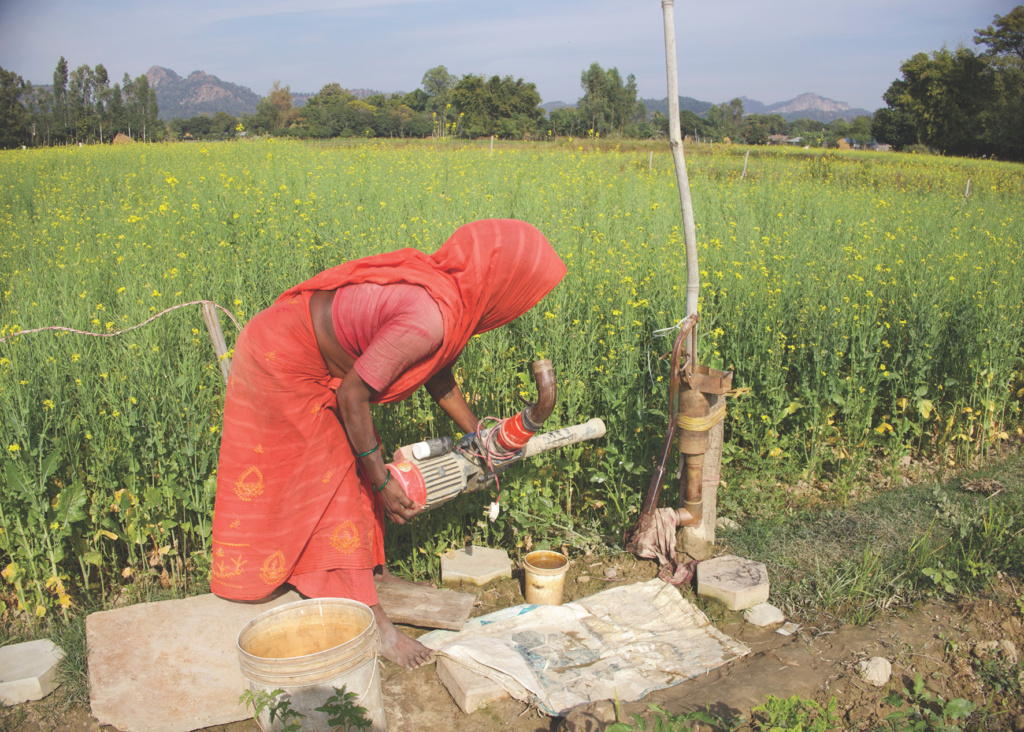
3. Kneeling beside her electric pump, Sah connects pipes and wires she learned to manage on her own. As rainfall becomes unreliable, this technical work has become essential to protecting crops and household food security.
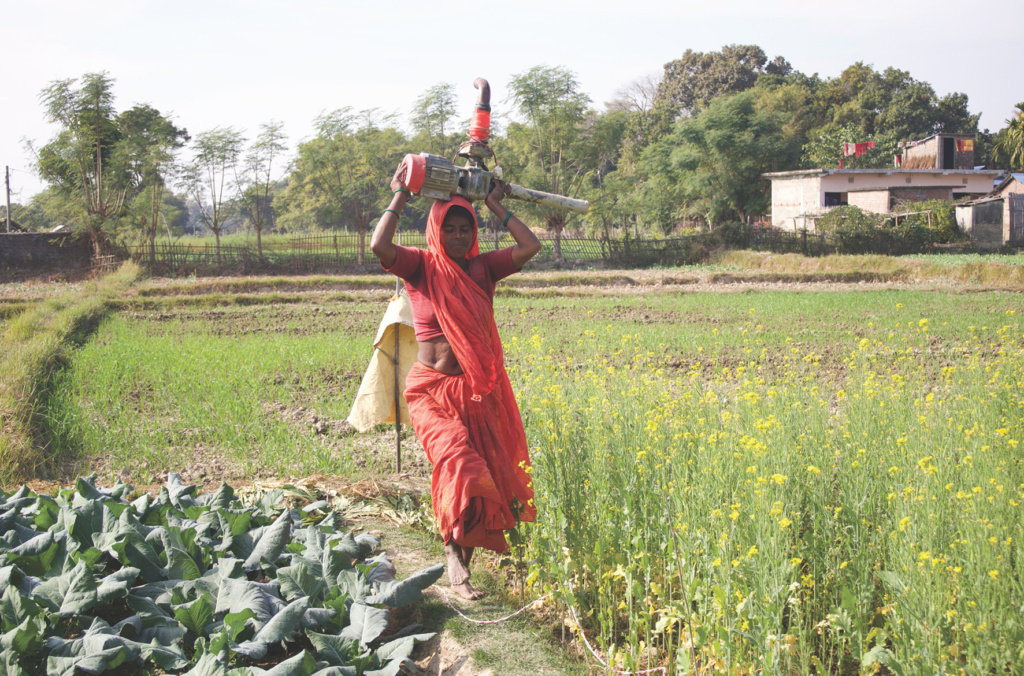 4. Sah carries the pump across long fields under the sun. Irrigation is heavy, physical work, and women increasingly shoulder this labour as men migrate for work and farming demands intensify.
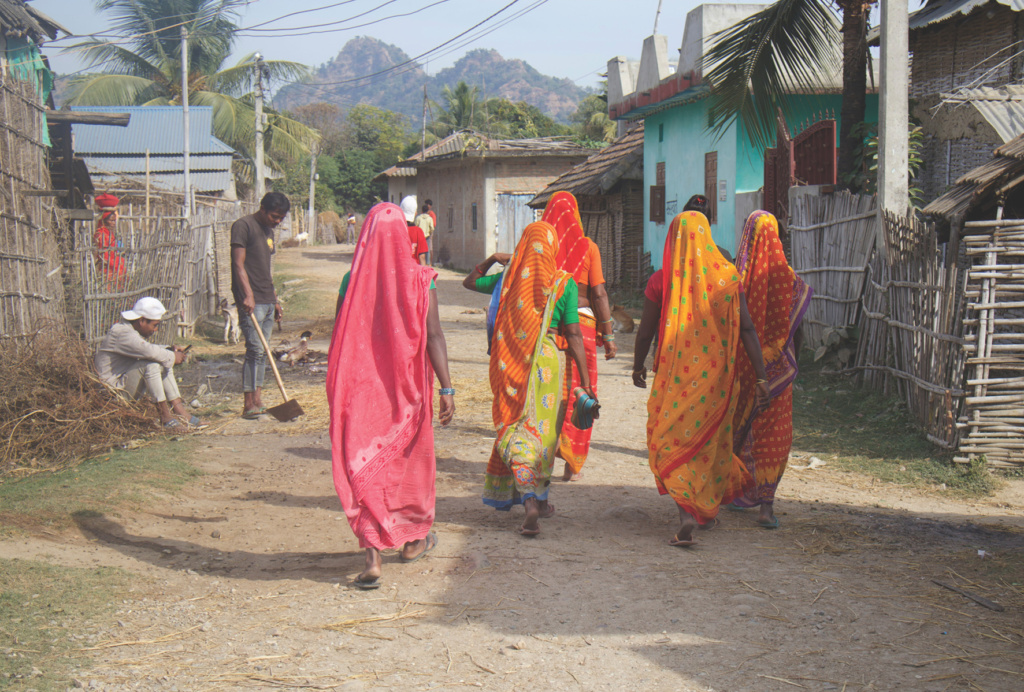 5. Across the village, women move between homes and fields carrying tools, fodder and water. Their daily journeys sustain agriculture and groundwater use, even though their work rarely appears in official records or irrigation programmes.
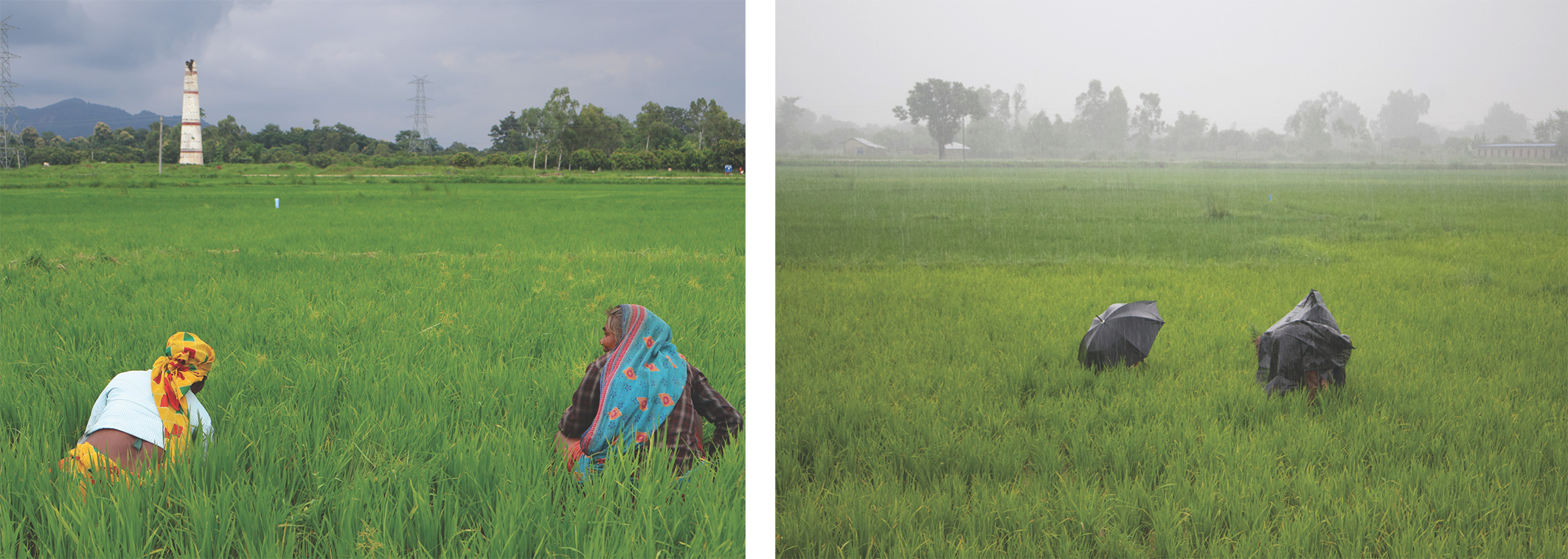
| 6. In the rice fields, women bend low for hours, pulling weeds and planting seedlings in heat and mud. Their labour shapes the entire season, feeding families far beyond their own homes. Yet they remain invisible in land ownership papers, groundwater access and agricultural subsidies. Their work is essential, but their recognition is fragile. | 7. The monsoon returns with force, sometimes too soon and sometimes too late. But women continue their work, shielding themselves with umbrellas and shawls, determined to finish the tasks the season demands. Women work through heavy and unpredictable rain, adapting their labour to shifting seasons and absorbing the strain of a changing climate. |
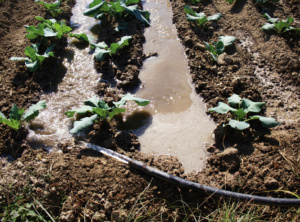
8. Groundwater flows through narrow furrows to young cauliflower plants. Behind this water is careful timing, pump operation, pipe repair, and constant attention, work that keeps food growing in uncertain conditions.
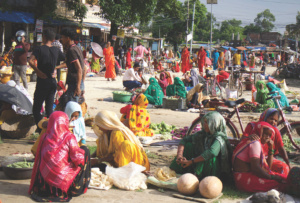
9. After months of tending crops, the journey extends beyond the fields. At the local market in Shambhunath, women sit with baskets of gourds, mustard greens, eggplants and cauliflower grown through months of care. Many travel by foot or bicycle before sunrise to reach this place. Their earnings support families and future planting, linking groundwater, women’s work, and local food systems.
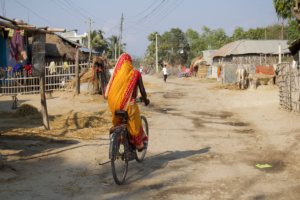 10. Sah cycles between her home, fields, and the market, moving across spaces shaped by both opportunity and constraint. Her journey reflects the strength of women who sustain agriculture, and the need for systems that recognise and ease the work they already do.
Conclusion
This photostory offers a small window into groundwater-fed farming in Nepal’s flat plains. Through Sah and the women of Ward 2, it shows that agriculture here depends not only on pumps and wells, but on the everyday labour women carry across changing seasons. As rains arrive late, temperatures rise, and dry periods stretch longer, women take on much of the added work, managing water, crops, and households while many men migrate for income.
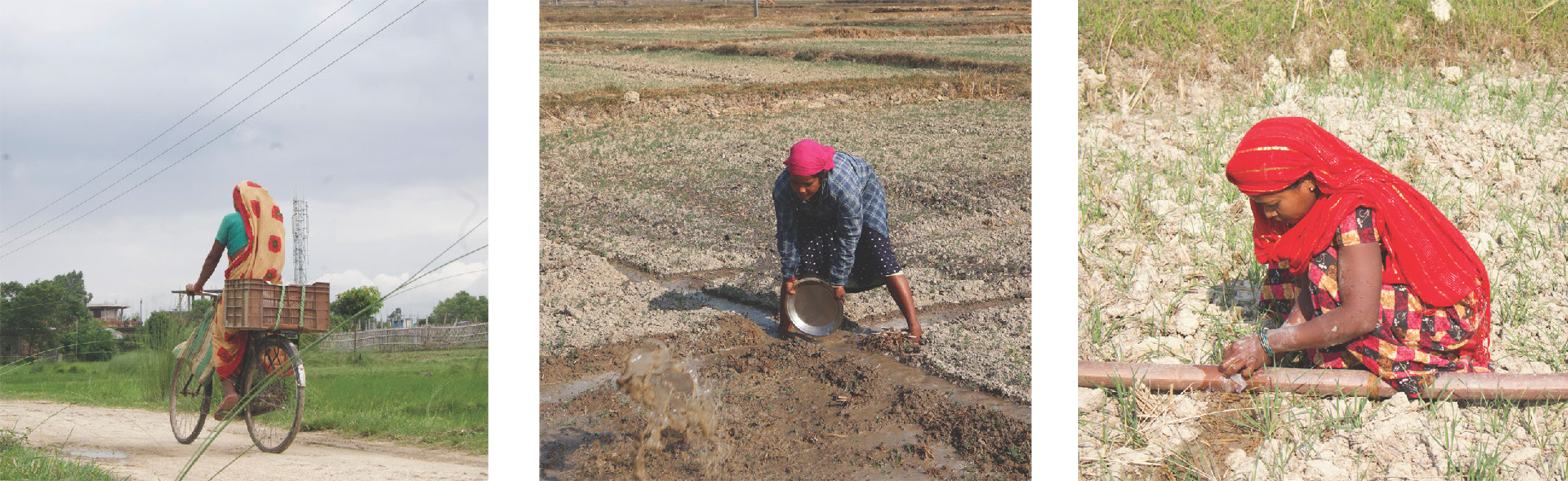
Their labour is central to food security in the Tarai, yet it remains largely unrecognised in land ownership, irrigation programmes, and agricultural decision-making. Sah’s story reflects the strength and persistence of thousands of women who lift groundwater and keep fields productive.
If farming in the Tarai is to remain viable, we must put systems in place that make women’s work easier rather than heavier, by recognising them as farmers and ensuring they can access land, water, and technology on fair terms.
Manita’s photo story is available in pdf format and you can download here.
Latest News & Events
RAID have been a busy network over the last 12 months with some fantastic events and competitions in this past year. The Annual...

About the Photostory I am Manita Raut, a John Allwright Fellow supported by ACIAR and a PhD candidate at the Crawford School of...